New Windows and Home Resale Value: What NoCo Sellers Should Know
Reading time: 12 minutes
You’ve just walked through a beautifully renovated home in Fort Collins. The kitchen is updated, the floors are gleaming — but the windows? They’re drafty, fogged with condensation between the panes, and rattle when the spring wind picks up. Suddenly, that asking price feels a little harder to justify. Sound familiar?
In Northern Colorado’s competitive real estate market of 2026, window upgrades have emerged as one of the most strategically underrated home improvements a seller can make. Whether you’re in Loveland, Greeley, Windsor, or Fort Collins, understanding the real financial impact of new windows — before you list — could be the difference between a quick sale and months on the market.
This guide cuts through the noise and gives you the straight talk: what window upgrades actually return in NoCo, when they’re worth the investment, and how to use them as a negotiating tool even if you haven’t replaced them yet.
Table of Contents
- NoCo’s Real Estate Landscape in 2026
- What the ROI Data Actually Says
- Not All Windows Are Created Equal
- Real NoCo Scenarios: Before and After
- 3 Common Challenges Sellers Face
- NoCo Window ROI at a Glance
- Window Types Compared: Cost vs. Value
- Frequently Asked Questions
- Your Pre-Listing Window Checklist
NoCo’s Real Estate Landscape in 2026
Northern Colorado has long been a seller’s market pressure cooker, but 2026 has brought some important shifts. After the frenzied pace of 2023 and 2024, the market has stabilized into what many local agents describe as a “quality-sensitive environment.” Buyers are still motivated — driven by continued in-migration from Denver metro and Front Range job growth in the tech and aerospace sectors — but they’re pickier. With mortgage rates hovering in the 6.2–6.8% range as of early 2026, buyers are scrutinizing every maintenance liability.
This matters for windows specifically because energy costs in Colorado have risen sharply. According to the U.S. Energy Information Administration’s 2025 annual report, average Colorado residential electricity costs climbed 11% over the previous two years, and natural gas prices remain volatile. Buyers walking through homes in Timnath or Wellington are now explicitly calculating monthly utility costs as part of their affordability assessment.
Real estate professionals in the region have taken note. “In 2026, buyers are asking about window age and efficiency ratings before they even ask about the HVAC system,” says one Fort Collins-based listing agent. “If you can show them a Certificate of Installation for double or triple-pane windows with a solid U-factor rating, it changes the conversation entirely.”
This sets the stage for a critical question every NoCo seller should ask themselves: Are my windows helping or hurting my sale?
What the ROI Data Actually Says
Let’s get into the numbers — because this is where sellers often get surprised. The 2025 Remodeling Cost vs. Value Report (published by Hanley Wood and widely referenced in early 2026) provides the most current benchmark data available for the Mountain region, which includes Colorado.
The report shows that vinyl window replacement in the Mountain region returns approximately 68.5% of project costs at resale. For wood window replacement, that figure drops slightly to around 61.2%. At first glance, that sounds like a loss — and in a strict dollars-in, dollars-out calculation, it often is. But that framing misses the full picture.
Here’s what the ROI percentage doesn’t capture:
- Days on market reduction: Homes with documented energy upgrades including windows tend to sell 8–14 days faster in the NoCo corridor, based on local MLS data from 2025.
- Negotiation leverage: Buyers routinely request $3,000–$8,000 in credits for aging or failed windows during inspection negotiations. New windows eliminate this entirely.
- Appraisal support: Energy-efficient improvements increasingly support higher appraisal values, particularly in new-construction-adjacent neighborhoods where comparable sales pressure is already elevated.
- First impressions: Curb appeal and interior brightness — both directly impacted by window quality — remain the top two factors buyers cite for emotional connection to a home.
So while you may spend $12,000 replacing windows and “only” recover $8,200 directly in price, you may also avoid a $5,000 inspection credit request, sell three weeks earlier, and reduce the risk of a deal falling through. That’s a net positive story.
The Energy Efficiency Premium Is Real
A 2025 study by the National Association of Realtors found that 78% of homebuyers rate energy efficiency as “very important” or “essential” in their purchasing decision — up from 63% in 2021. In Colorado specifically, where heating costs are a seasonal reality and summer cooling loads are increasing with climate shifts, this sentiment is even stronger.
Windows certified by ENERGY STAR under the Northern/North-Central climate zones (which cover most of NoCo) must meet strict U-factor and Solar Heat Gain Coefficient (SHGC) thresholds. Homes with these certified windows can qualify for the federal energy tax credit — currently offering up to $600 per year for window upgrades under the Inflation Reduction Act provisions still active in 2026. Smart sellers document this benefit explicitly in their listing materials.
Timing Your Investment Strategically
One of the most practical questions sellers ask is: When should I replace windows relative to my listing date? The honest answer depends on your timeline. If you’re planning to list within 90 days, replacing windows now makes sense only if they’re clearly failing (fogged panes, broken seals, visible rot, or failed hardware). A cosmetic window refresh — cleaning, re-caulking, painting frames, replacing hardware — can achieve 70% of the buyer impression benefit at roughly 5% of the cost.
If you have 6–18 months before listing, a full replacement is worth serious consideration, especially if your home was built before 2000 and still has original single-pane or early double-pane units. You’ll also enjoy the utility savings yourself in the interim, which makes the financial case even stronger.
Not All Windows Are Created Equal
Walk into any window showroom in Fort Collins or Longmont and you’ll face an overwhelming array of choices. But for sellers specifically, the decision framework is simpler than for a buyer building their forever home. Here’s what actually matters for resale:
Frame Material
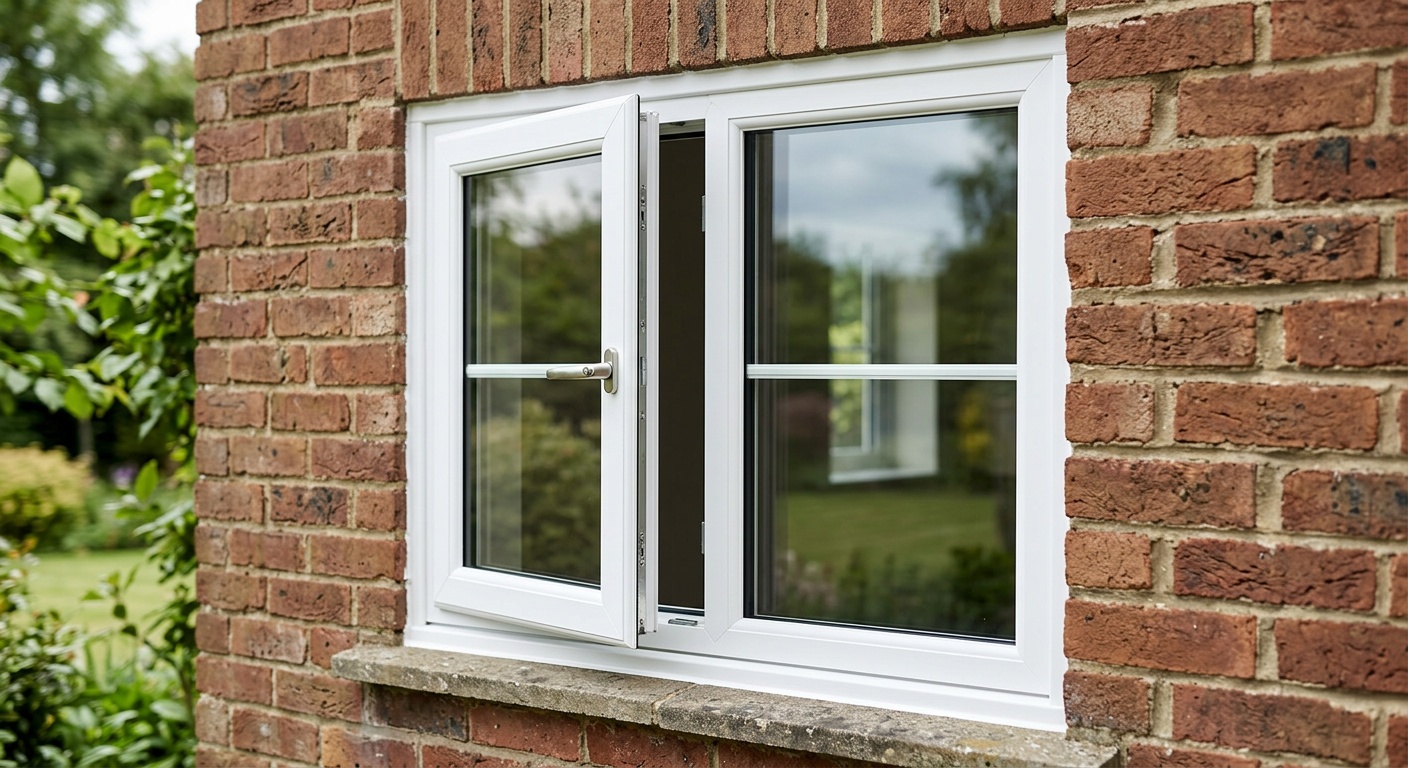
Vinyl frames are the clear winner for resale-focused renovations in NoCo. They’re low-maintenance, resist Colorado’s intense UV exposure, don’t warp with temperature swings between -5°F winters and 95°F summers, and are priced accessibly. Fiberglass frames offer superior performance but at a cost premium that’s hard to recover at resale in mid-range homes. Wood frames add aesthetic appeal in historic districts like Old Town Fort Collins but require ongoing maintenance that can actually become a liability in a buyer inspection.
Glass Configuration
For NoCo’s climate, double-pane low-E glass with argon gas fill represents the sweet spot of cost, performance, and buyer appeal. Triple-pane is increasingly popular and offers better sound dampening (relevant for homes near I-25 or the Greeley rail corridor), but the cost premium is typically $150–$300 per window — only justified in high-end listings where buyers expect premium finishes throughout.
ENERGY STAR Certification
This is non-negotiable for maximum resale impact. Make sure any replacement windows carry ENERGY STAR certification and that you keep the documentation. Listing agents can include this in the MLS remarks, and it signals to both buyers and appraisers that the upgrade was executed to a recognized standard.
Real NoCo Scenarios: Before and After
Abstract statistics are helpful, but real scenarios make the strategy concrete. Here are two illustrative examples drawn from the NoCo market in 2025.
Scenario One: The Loveland Ranch Home
A seller in Loveland listed a 1,950 sq ft ranch-style home built in 1988. The original aluminum single-pane windows were still intact — clearly visible to buyers as outdated, showing condensation streaking on frames and rattling in their tracks. The home sat on the market for 47 days before the sellers accepted an offer $18,500 below asking price, with an additional $4,200 inspection credit for window issues. Total “cost” of not addressing windows: approximately $22,700.
A similar home two streets over — same vintage, same square footage — had its windows replaced the prior winter with 12 vinyl double-pane ENERGY STAR units at a total cost of $9,800 (including installation). That home sold in 11 days at 98.5% of list price with zero inspection concessions related to windows. The sellers effectively netted a positive outcome by addressing the issue proactively.
Scenario Two: The Windsor New Build Comparison Problem
In rapidly developing Windsor, resale homes face a unique challenge: they’re competing with new construction that comes standard with modern windows, smart glass options, and builder warranties. A 2019-built home in a Windsor subdivision attempted to list at a price point competitive with new builds 12 blocks away. The problem? The 2019 windows were spec-grade double-pane but didn’t carry current ENERGY STAR ratings under the updated 2023 Northern climate zone criteria, and buyers flagged this in viewings.
The seller’s agent recommended a targeted upgrade — replacing only the six south-facing and west-facing windows most subject to solar gain and UV exposure — at a cost of $4,100. The updated documentation, combined with a $500 smart home thermostat installation, allowed the listing to add specific energy efficiency language that differentiated the home from competing resales. It sold within 18 days at full asking price.
Pro Tip: You don’t always need to replace every window. A strategic, targeted approach — focusing on the windows buyers will notice and inspectors will flag — can achieve maximum impact at minimum cost.
3 Common Challenges Sellers Face (And How to Overcome Them)
Challenge 1: Sticker Shock on Full Replacement Costs
Full window replacement in a typical NoCo home (15–20 windows) runs between $9,000 and $22,000 depending on size, style, and material. For sellers already stretched between moving costs, repairs, and agent commissions, this feels prohibitive.
Solution: Prioritize strategically. Focus first on failed seals (fogged panes are visible red flags to buyers and inspectors), then street-facing windows for curb appeal, then the largest windows in main living areas. A targeted 6–8 window replacement can run $4,000–$7,000 and address 80% of buyer concerns. Get multiple bids from local NoCo contractors — companies based in Fort Collins and Loveland often offer better pricing than national chains due to lower overhead.
Challenge 2: Timing Windows with the Listing Schedule
Window installation typically takes 4–8 weeks from order to completion due to custom manufacturing lead times — a surprise to many sellers who assume it’s a quick weekend project.
Solution: If you’re planning to list in spring (still the prime NoCo selling season), begin the window evaluation and contractor selection process no later than January. Get your order placed by February to ensure installation is complete before your March or April listing date. If timing is too tight, be transparent in your listing: “Window replacement scheduled for completion prior to closing” with a firm contractor commitment can satisfy many buyers and even be written into the purchase contract.
Challenge 3: Proving the Value to Appraisers
Even if buyers love your new windows and you get a strong offer, appraisers don’t always adjust value upward proportionally for energy upgrades — especially in markets where comparable sales data for energy-efficient homes is thin.
Solution: Create an “upgrade package” document for your listing agent to share with the appraiser. Include: manufacturer specs, ENERGY STAR certification numbers, installation receipts, projected annual energy savings (most installers will provide this estimate), and any relevant utility bill comparisons. Appraisers can use this documentation to support an adjustment — but they need the evidence presented to them proactively.
NoCo Window ROI at a Glance
The following chart illustrates the estimated return on investment for common pre-sale home improvements in the NoCo market, based on 2025–2026 regional data:
Estimated Pre-Sale ROI — Northern Colorado (2026)
Source: 2025 Cost vs. Value Report (Mountain Region) + NoCo local market adjustments
While window replacement doesn’t top the pure ROI chart, remember: the full value story includes reduced days on market, fewer inspection credits, and energy efficiency premiums that aren’t captured in direct cost-recovery calculations alone.
Window Types Compared: Cost vs. Value for NoCo Sellers
| Window Type | Avg. Cost Per Window (Installed) | ENERGY STAR Eligible | Buyer Appeal (NoCo) | Best For |
|---|---|---|---|---|
| Vinyl Double-Pane Low-E | $450 – $750 | ✅ Yes | ⭐⭐⭐⭐⭐ | Most resale homes |
| Vinyl Triple-Pane | $650 – $1,050 | ✅ Yes | ⭐⭐⭐⭐ | Noise-sensitive locations |
| Wood Double-Pane | $800 – $1,400 | ✅ Yes (select) | ⭐⭐⭐ | Historic/premium listings |
| Fiberglass Double-Pane | $900 – $1,600 | ✅ Yes | ⭐⭐⭐⭐ | Luxury market listings |
| Aluminum Single-Pane (existing) | N/A (legacy) | ❌ No | ⭐ | Replace before listing |
Frequently Asked Questions
Do I have to replace all my windows before selling, or can I just replace a few?
You absolutely don’t need to replace every window. The most impactful approach for sellers is to prioritize windows with visible failures — fogged or cracked panes, broken seals, damaged frames, or hardware that doesn’t function properly. These are the items inspectors will flag and buyers will negotiate over. Street-facing and large living area windows also deserve attention for curb appeal and first impression reasons. A targeted replacement of 5–8 problem windows is often more cost-effective than a whole-home replacement, and buyers generally accept a mix of new and well-maintained older windows if the home is priced appropriately.
Will new windows really help my home sell faster in the NoCo market?
Based on 2025 NoCo MLS data, homes with documented energy-efficient window upgrades do tend to spend fewer days on market — roughly 8 to 14 days fewer than comparable homes without such upgrades. Speed of sale matters enormously in a market where carrying costs (mortgage, insurance, taxes) continue to accumulate. Beyond speed, homes with window upgrade documentation tend to receive fewer low-ball offers and inspection-triggered concession requests, which translates to a cleaner, stronger net proceeds outcome for sellers. In a quality-sensitive 2026 market, documented improvements like new windows signal to buyers that the home has been well cared for — a powerful psychological advantage.
What documentation should I have ready when listing a home with new windows?
Documentation is where many sellers leave value on the table. At minimum, you should have: the manufacturer’s product specifications (including U-factor, SHGC, and VT ratings), ENERGY STAR certification confirmation, the contractor’s installation invoice and warranty information, and any projected annual energy savings estimates provided by the installer. If you claimed the federal energy efficiency tax credit on your most recent return, a copy of that filing showing the credit can also be compelling. Organize all of this into a single document or folder that your listing agent can share digitally with buyer’s agents, appraisers, and interested buyers. Homes that proactively present this information consistently outperform those where buyers have to ask.
Your Pre-Listing Window Checklist: Turn Glass Into Gold
Here’s the straight talk: window upgrades aren’t the sexiest home improvement conversation, but in 2026’s NoCo market, they’re one of the most strategically powerful levers a seller can pull. Energy efficiency isn’t a niche buyer preference anymore — it’s a mainstream expectation, and it’s only going to grow as utility costs continue climbing and climate resilience becomes a more prominent part of the buyer conversation.
As a NoCo seller, you’re operating in a market where buyers are well-informed, inspection reports are thorough, and first impressions drive emotional decisions. Windows sit at the intersection of all three. Use the following checklist to move from awareness to action:
- Assess your current windows honestly. Walk every room. Look for fogging, cracked seals, rattling frames, condensation damage, or hardware that sticks. Note your findings room by room.
- Get two or three contractor quotes. Contact local NoCo window companies for estimates. Ask specifically for ENERGY STAR-certified vinyl double-pane options and get itemized quotes per window so you can prioritize.
- Decide on full vs. targeted replacement. Use the data in this article to make a financially rational decision. If you have 10+ failing windows, full replacement likely makes more economic sense. If you have 3–5 problem units, go targeted.
- Schedule installation at least 6 weeks before your target list date. Account for manufacturing lead times and give yourself buffer for any installation surprises or weather delays.
- Build your documentation package. Gather all specs, certifications, warranties, and invoices. Brief your listing agent on the upgrade and make sure the MLS listing language highlights the energy efficiency credentials explicitly.
As the broader real estate market continues moving toward sustainability-conscious purchasing in 2026 and beyond, sellers who get ahead of energy efficiency expectations — rather than scrambling to meet them at inspection time — will consistently come out ahead.
Here’s a question worth sitting with: If a buyer walked through your home today and asked what you know about your windows’ energy performance, would you have a confident, documented answer — or would you have to guess? Your answer to that question might be the most honest signal of where your pre-listing priorities should start.